Installing CCTV is legal and encouraged in India — but where you point cameras, how you store footage and who can access it carry real privacy responsibilities. Understanding the rules protects you from disputes and complaints.
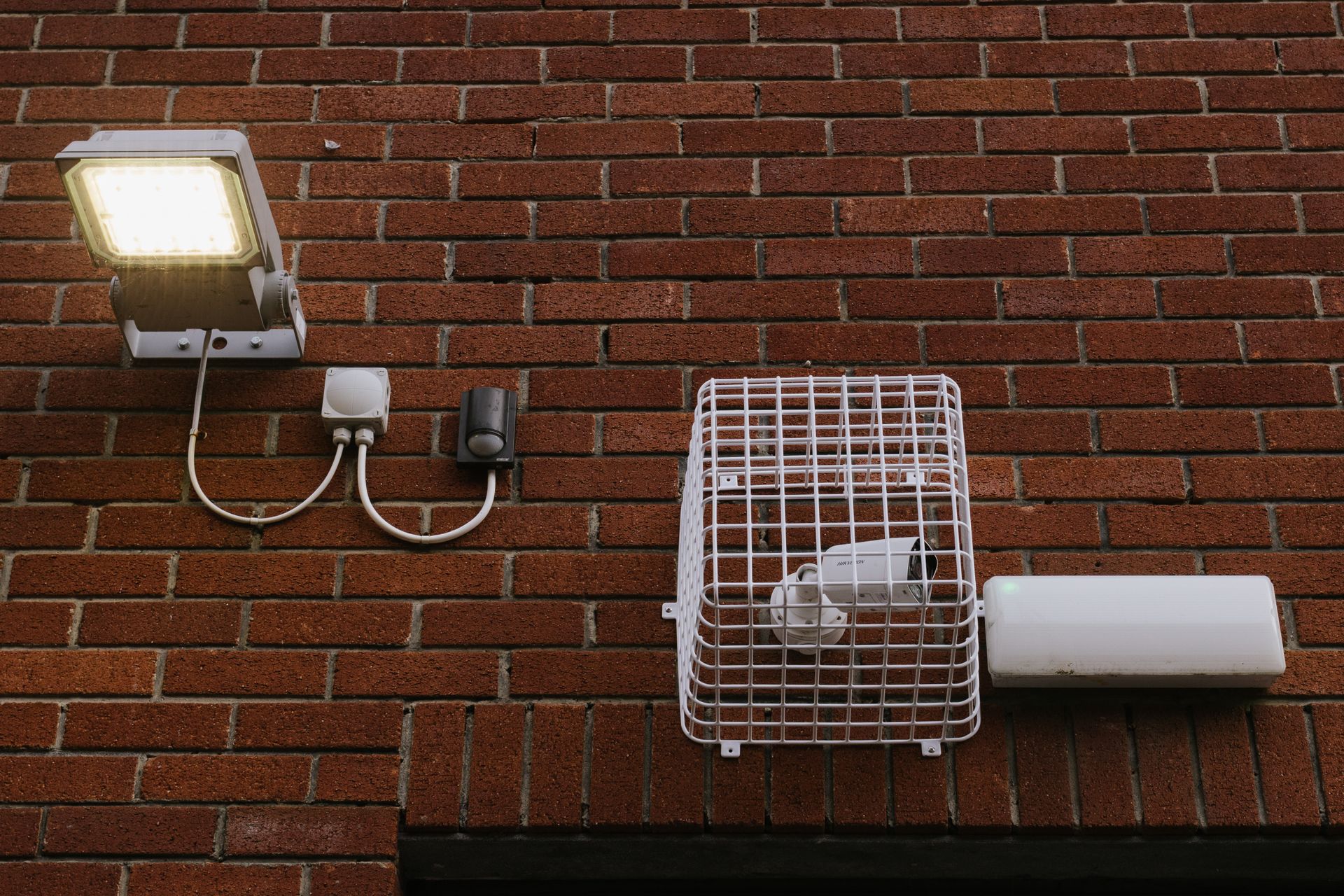
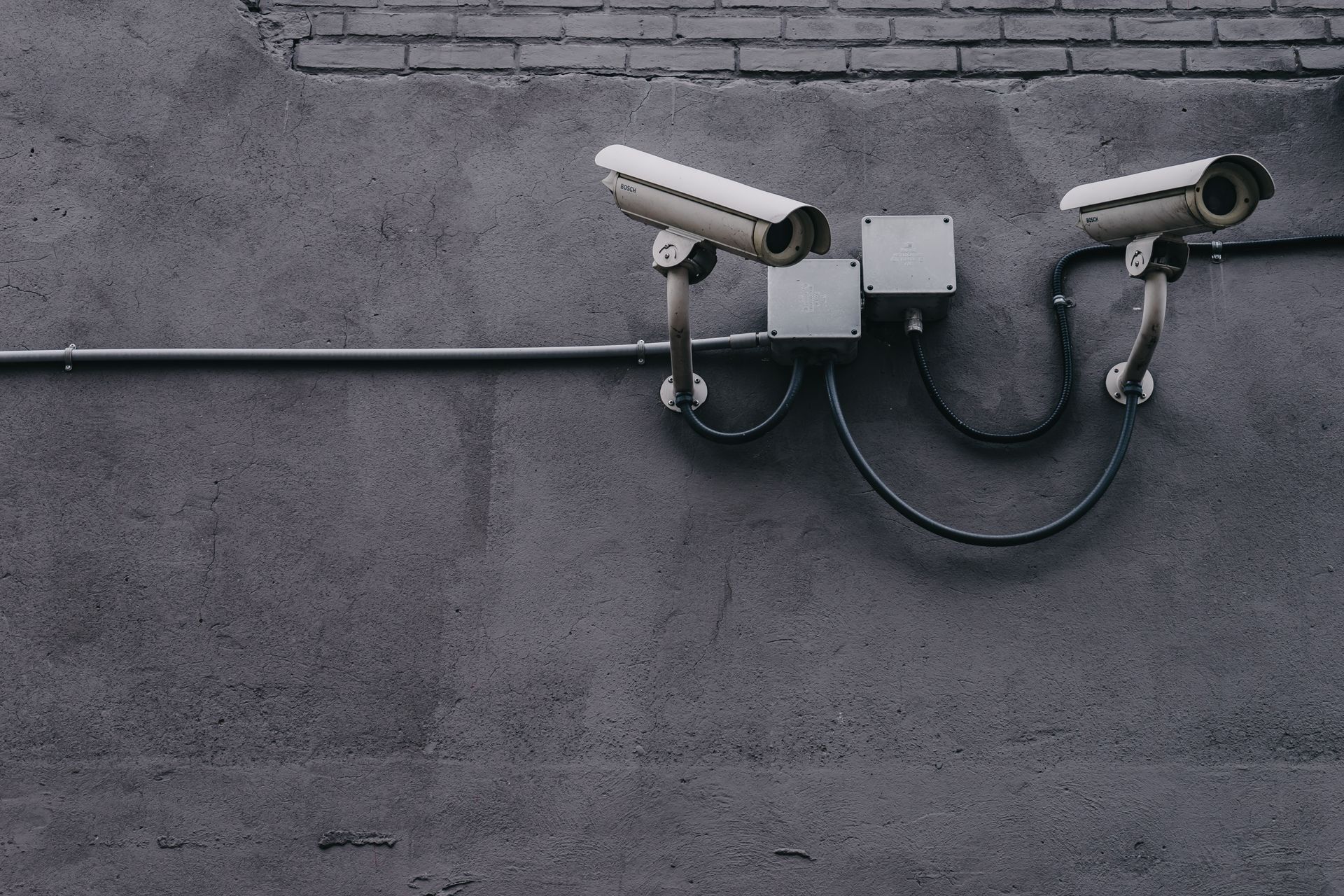
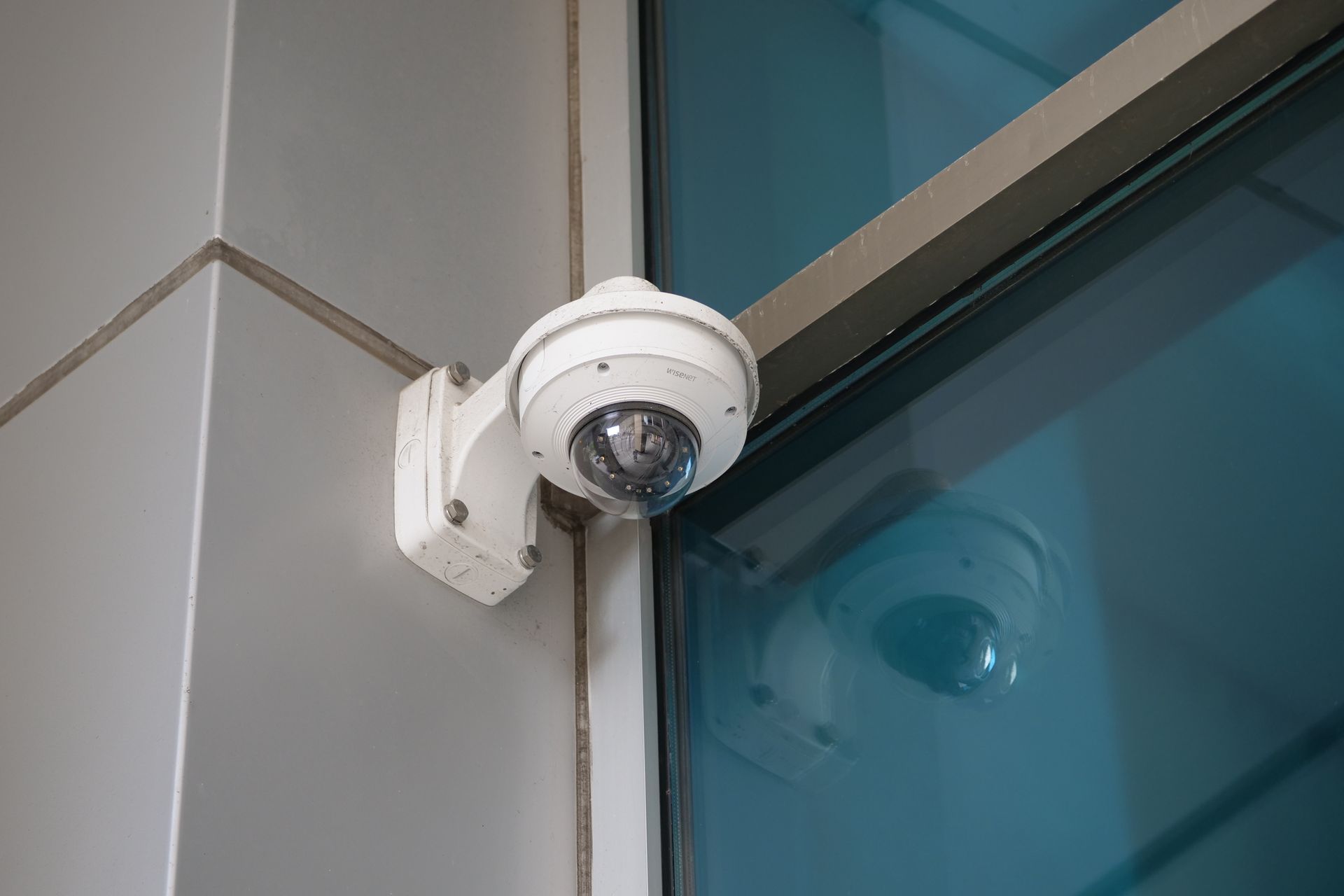
You can install cameras to cover your own property, business and common entry points. You generally must not point cameras into a neighbour's private space, install cameras in areas with a reasonable expectation of privacy (washrooms, changing rooms, inside patient rooms), or use hidden cameras to record people covertly in private settings.
Footage, Consent and the DPDP Act
Display visible 'CCTV in operation' signage so people know they're being recorded — this supports both deterrence and consent. With the Digital Personal Data Protection (DPDP) Act, businesses handling identifiable footage should limit access, retain recordings only as long as needed, and secure storage against misuse. Workplaces should inform employees about monitoring. When in doubt, cover your own premises, avoid private spaces, and keep footage secure. SecureVision designs compliant camera layouts that maximise security while respecting privacy.
Written by
SecureVision Team
SecureVision's security specialists install and service CCTV systems across 85+ cities in North India — sharing practical, field-tested advice to help you protect what matters.