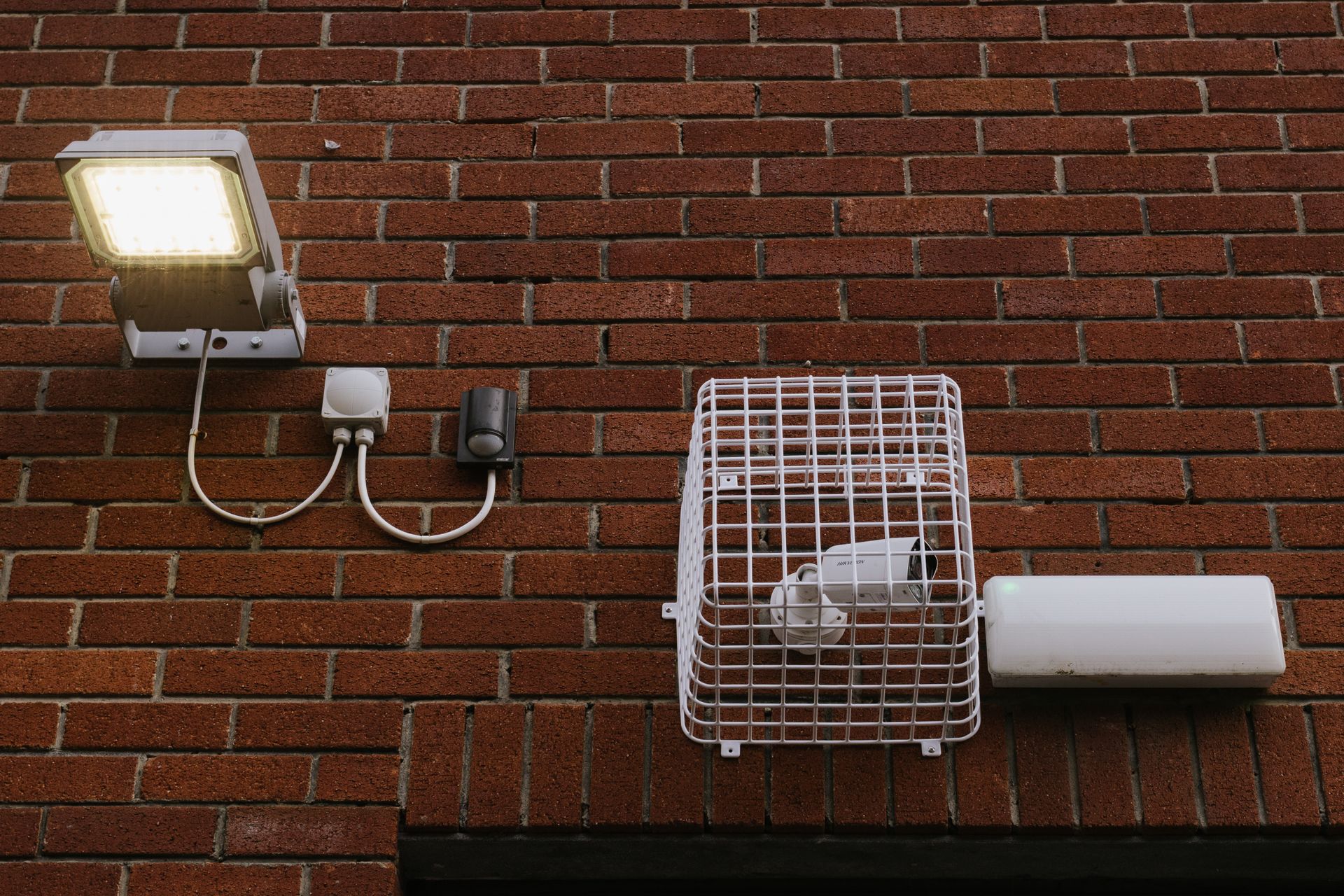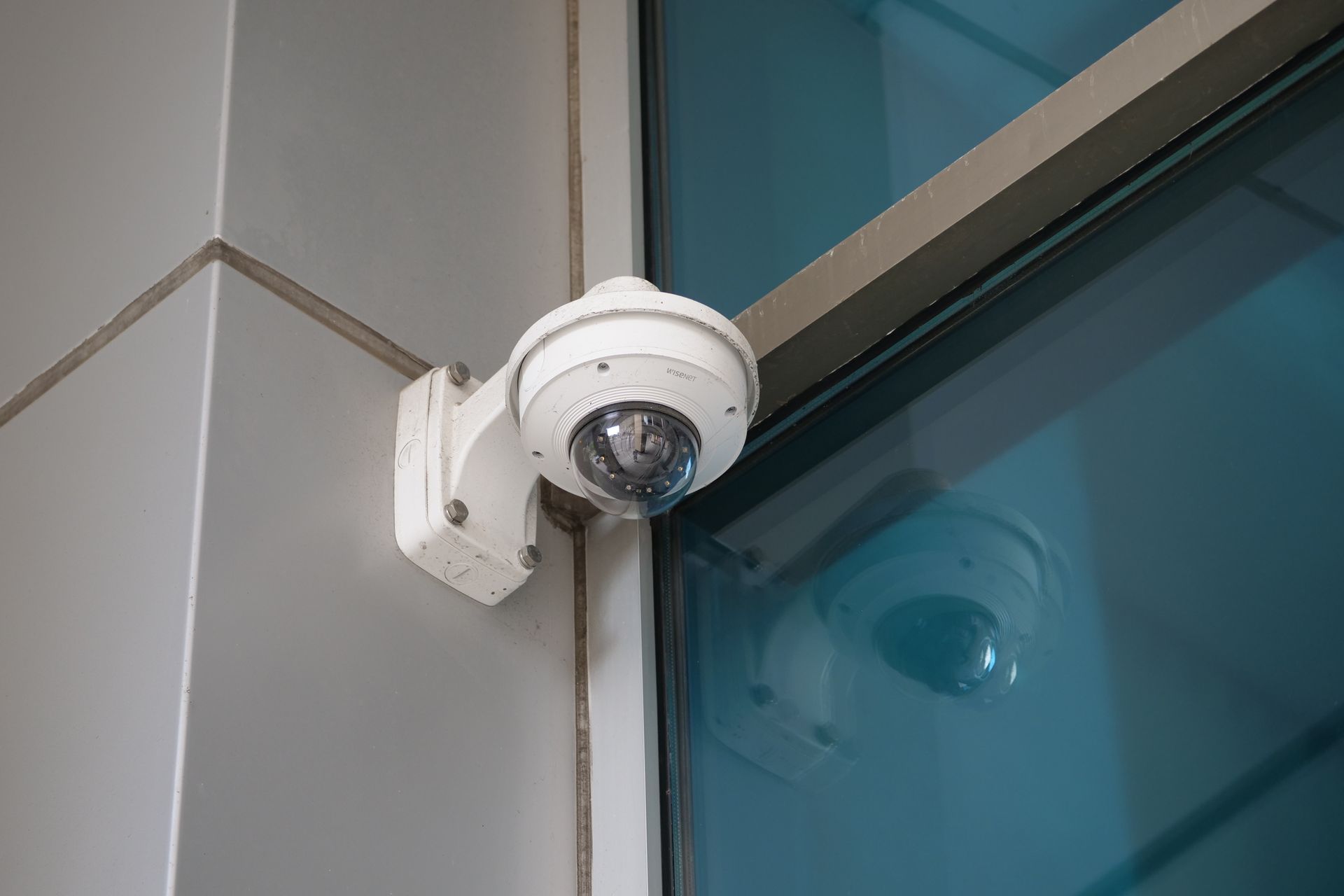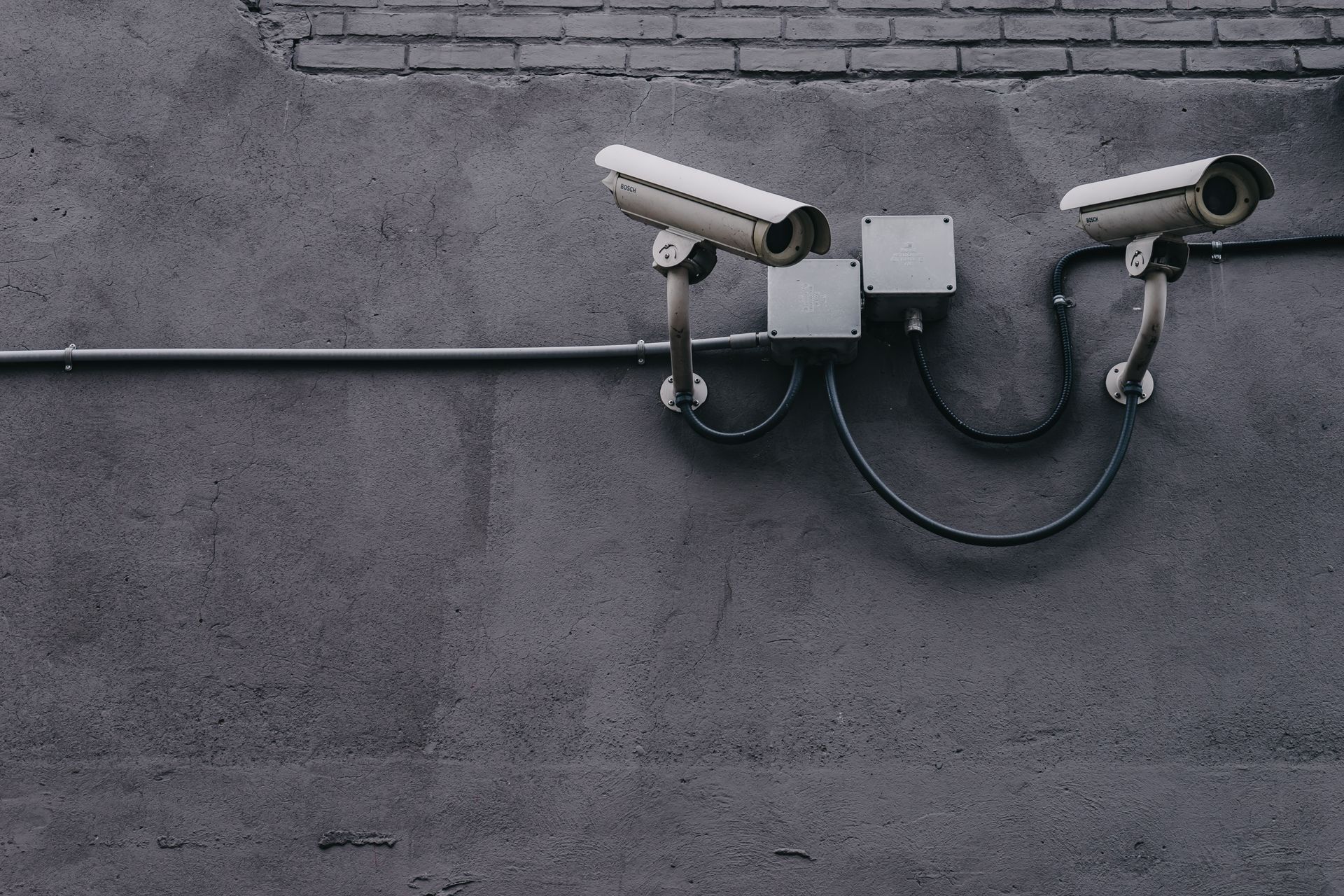
A camera you can't rely on is worse than no camera at all — and the most common reason CCTV fails to capture an incident is a blind spot. Smart camera placement, not more cameras, is what delivers complete coverage.
Blind spots happen at corners, directly below wall-mounted cameras, behind pillars and large shelving, and in areas washed out by backlight. The fix is overlapping fields of view: each camera should see the base of the next, so a person can never move through your property unseen.
The Overlap Rule and Mounting Heights
Mount cameras 8–10 feet high — high enough to be out of reach, low enough to capture identifiable faces. Cover every entry and exit head-on, then fill interior coverage with overlapping zones. Use wide-angle cameras for open areas and a dedicated camera for each choke point (gates, stairwells, cash counters). Avoid pointing cameras into direct sun or bright windows. A professional site survey maps sightlines before installation so you pay only for the cameras you truly need.
Written by
SecureVision Team
SecureVision's security specialists install and service CCTV systems across 85+ cities in North India — sharing practical, field-tested advice to help you protect what matters.